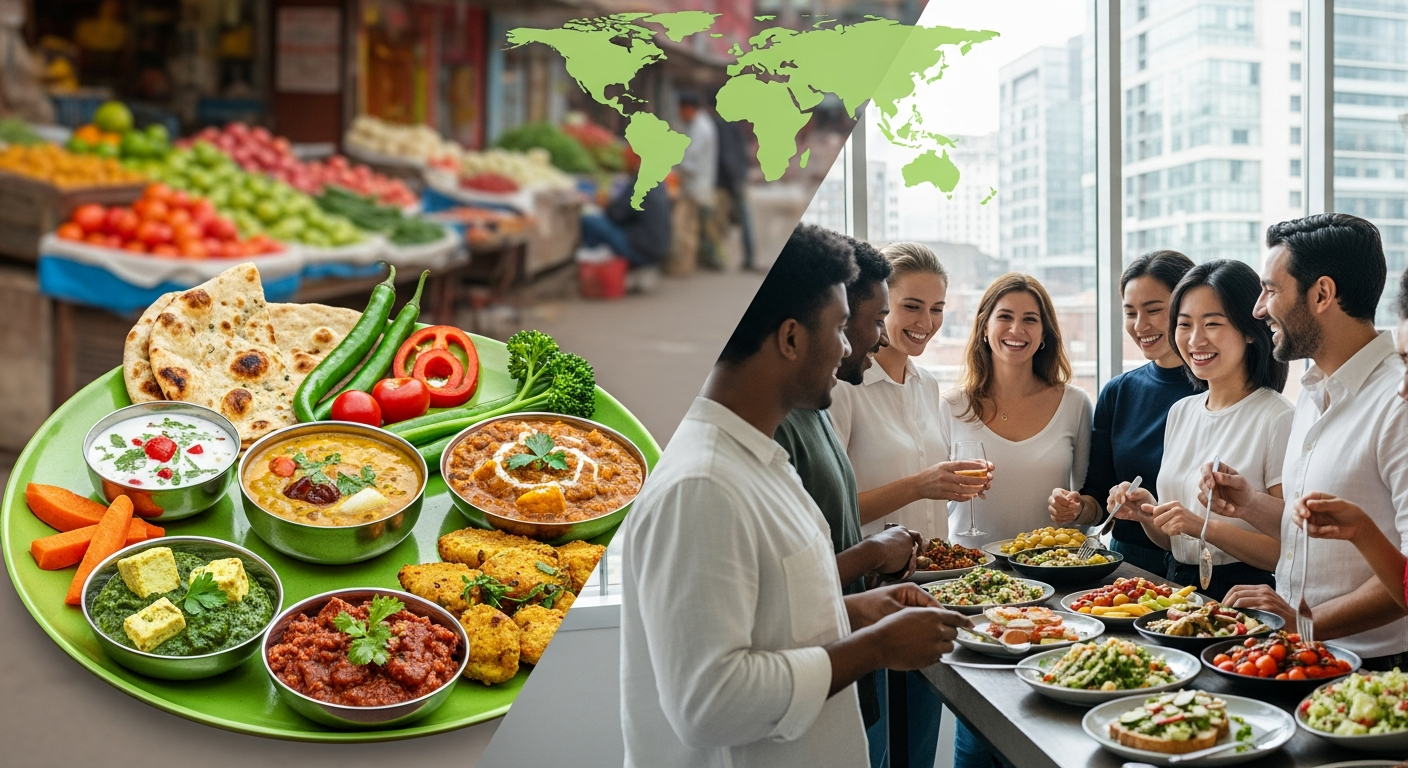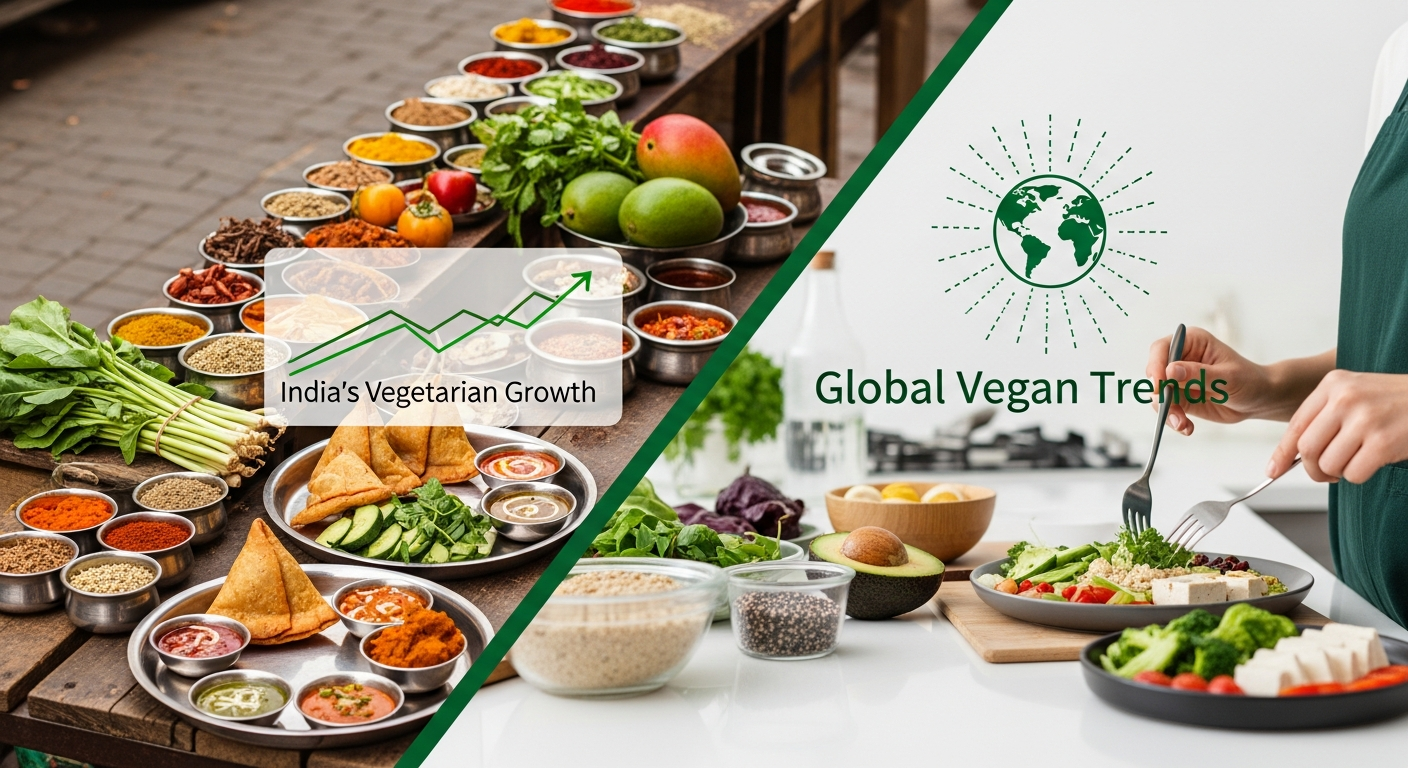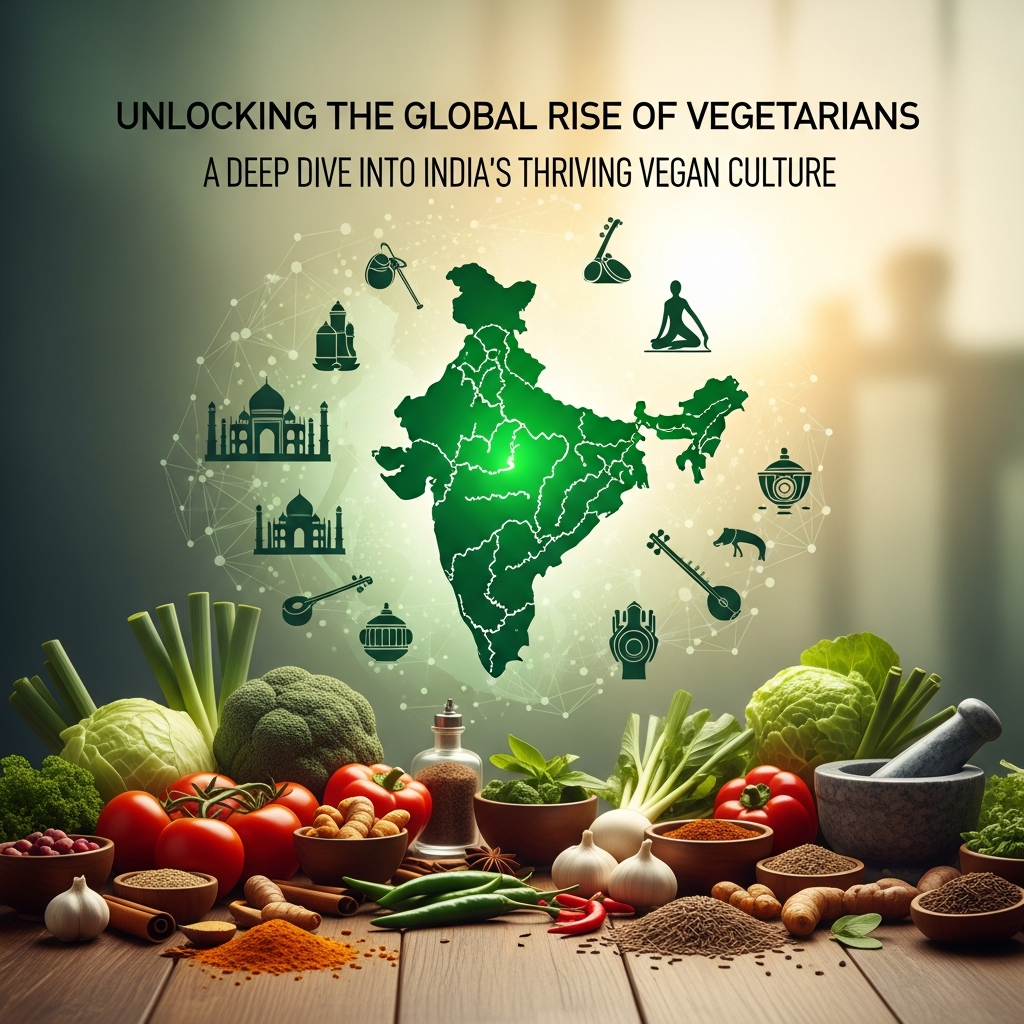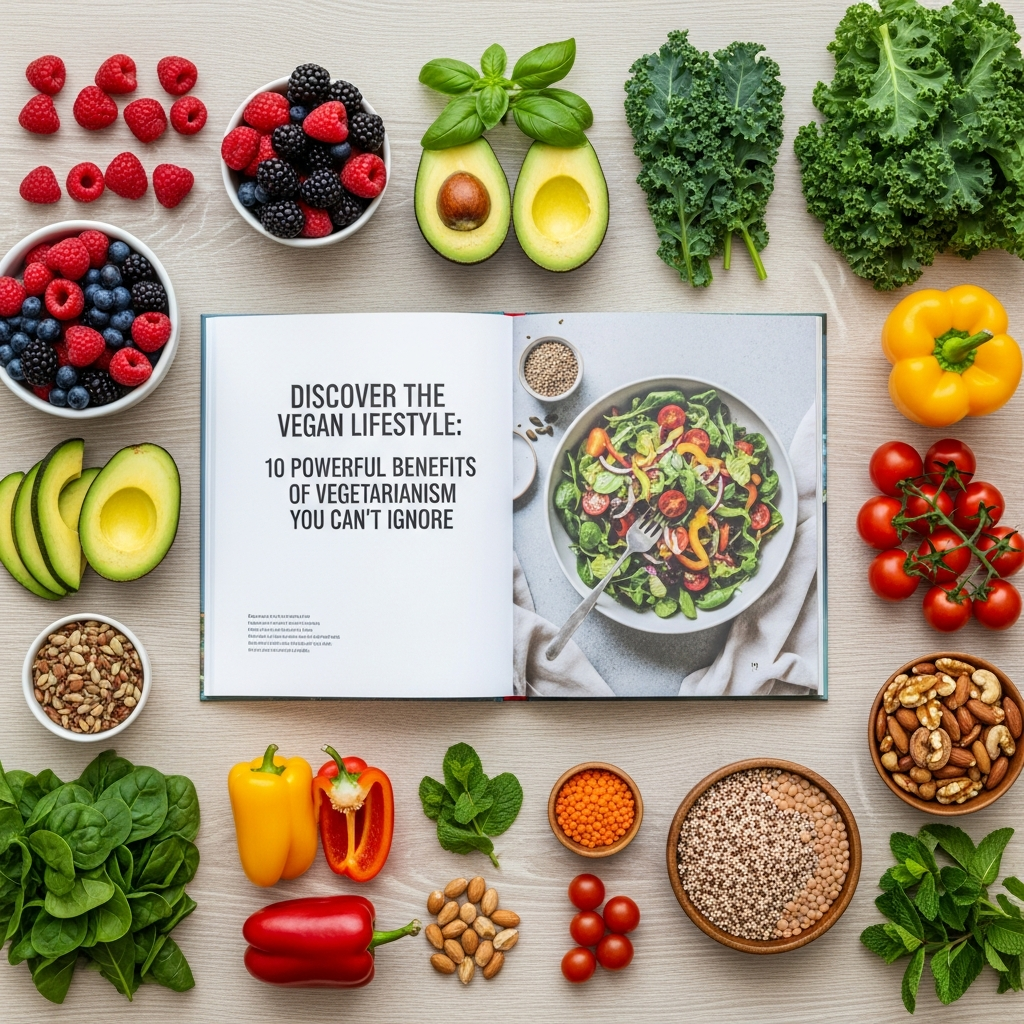

For decades, the global narrative around plant-based diets has been largely shaped by the West. However, a seismic shift is underway, and its epicenter is not in California or London, but in India. Home to the world's largest population of vegetarians, India possesses a unique cultural foundation that is now serving as a powerful launchpad for the vegan movement. This transition from a diet that excludes meat to one that eliminates all animal products is more than a trend; it's a complex evolution, blending ancient philosophy with modern consciousness, and it's poised to have a profound impact on the future of food globally.
The Cultural Bedrock of Indian Vegetarianism
Unlike in many Western countries where vegetarianism is often a conscious, individual choice made for ethical, environmental, or health reasons, in India, it is frequently a deep-seated cultural and religious norm. Rooted in the principle of Ahimsa (non-violence), a core tenet of religions like Hinduism, Jainism, and Buddhism, abstaining from meat has been a way of life for millions for millennia. This philosophy promotes compassion for all living beings, making a meat-free diet a spiritual practice rather than just a dietary preference.
This long-standing tradition has created an environment where plant-based eating is not a niche alternative but a celebrated mainstream reality. The Indian culinary landscape is arguably the most vegetarian-friendly in the world, with an astonishing variety of dishes built around lentils, legumes, vegetables, grains, and spices. This pre-existing infrastructure means that the leap from vegetarianism to veganism is significantly smaller and less intimidating for an Indian than the leap from a meat-heavy diet. The foundation is already laid; the challenge and the opportunity lie in interrogating the role of the last remaining animal product: dairy.
Catalysts for the Vegan Shift: Why Now?
While vegetarianism is ancient, the surge in veganism is a distinctly modern phenomenon, driven by a confluence of powerful factors. The primary catalyst is a growing awareness of the ethical and health implications of the modern dairy industry. For generations, the cow has been revered in Indian culture, and dairy was seen as a pure, non-violent product. However, through documentaries and the unfiltered lens of social media, many Indians, particularly the youth, are now exposed to the harsh realities of industrial dairy farming—the separation of calves from their mothers, the use of hormones, and the eventual slaughter of non-milking cattle. This new information creates a profound conflict with the foundational principle of Ahimsa, leading many to extend their compassion to exclude dairy.
Alongside this ethical awakening is a burgeoning health consciousness. As lifestyle diseases like diabetes and heart disease become more prevalent in urban India, people are increasingly scrutinizing their diets. The global wellness conversation around the benefits of a plant-based diet, coupled with rising rates of lactose intolerance, has prompted many to reconsider their reliance on milk, paneer, and ghee. Furthermore, the global environmental crisis has resonated deeply with India's younger, digitally-connected population, who are learning about the massive carbon and water footprint of animal agriculture, including the dairy sector. This trifecta of ethical, health, and environmental concerns is creating a powerful momentum for change.
The Economic and Culinary Transformation
The burgeoning interest in veganism has ignited a vibrant startup culture and a culinary revolution across India. Entrepreneurs are seizing the opportunity to cater to this new market, leading to an explosion of plant-based alternatives that were unimaginable just a decade ago. Supermarket shelves in major cities are now stocked with a wide array of plant-based milks made from soy, almonds, oats, and coconuts. Innovative companies are developing vegan versions of beloved dairy staples like paneer (from nuts or tofu), cheese, yogurt, and even ghee, using sophisticated food technology to mimic the taste and texture of the originals.
This market transformation is empowering a culinary evolution. Indian cuisine's inherent plant-forward nature makes it exceptionally adaptable to veganism. Chefs and home cooks are not reinventing the wheel but rather making subtle, creative substitutions. Lentil-based curries (dals), vegetable sabzis, and rice dishes are often naturally vegan or easily modified. The creamy textures traditionally achieved with dairy are now being replicated with cashew paste, coconut cream, or silken tofu. This process is not about abandoning traditional food culture but enhancing it, proving that the rich, complex flavors of Indian food can thrive without any animal-derived ingredients.
Navigating Cultural Hurdles and Nuances
Despite the growing momentum, the path to widespread veganism in India is not without significant challenges. Dairy is not merely a food group; it is deeply interwoven into the fabric of Indian culture, religion, and social life. Ghee is used to light sacred lamps in religious ceremonies, kheer (rice pudding) and mithai (sweets) are essential to festivals and celebrations, and a glass of milk is often seen as a cornerstone of a child's nutrition. Convincing older generations to abandon these deeply ingrained traditions is a formidable task, as dairy is often perceived as a symbol of purity and prosperity.
Furthermore, there is a socio-economic and accessibility divide. While a plethora of vegan products are available in metropolitan hubs like Mumbai, Delhi, and Bangalore, they are often priced at a premium and are largely unavailable in smaller towns and rural areas. This creates a perception of veganism as an elite, urban movement. Widespread adoption will require not only a cultural shift but also the development of affordable and accessible plant-based alternatives that can compete with subsidized dairy products. Overcoming decades of nutritional misinformation about the necessity of dairy for calcium and protein also remains a crucial educational hurdle.
Conclusion
The rise of veganism in India represents a fascinating and powerful evolution of one of the world's oldest vegetarian cultures. By building upon the ancient principle of Ahimsa and combining it with modern awareness of health, environmental, and ethical issues, a new generation is redefining what it means to eat compassionately. While cultural attachment to dairy and issues of accessibility present real challenges, the trajectory is clear. The innovation in food technology, the passion of activists, and the receptiveness of a young, informed populace are creating a potent force for change. India is not just participating in the global vegan shift; it is actively shaping it, offering a unique blueprint for how a culture can transition from plant-centric to wholly plant-based. In doing so, it may very well be spearheading the next phase of the global food revolution.