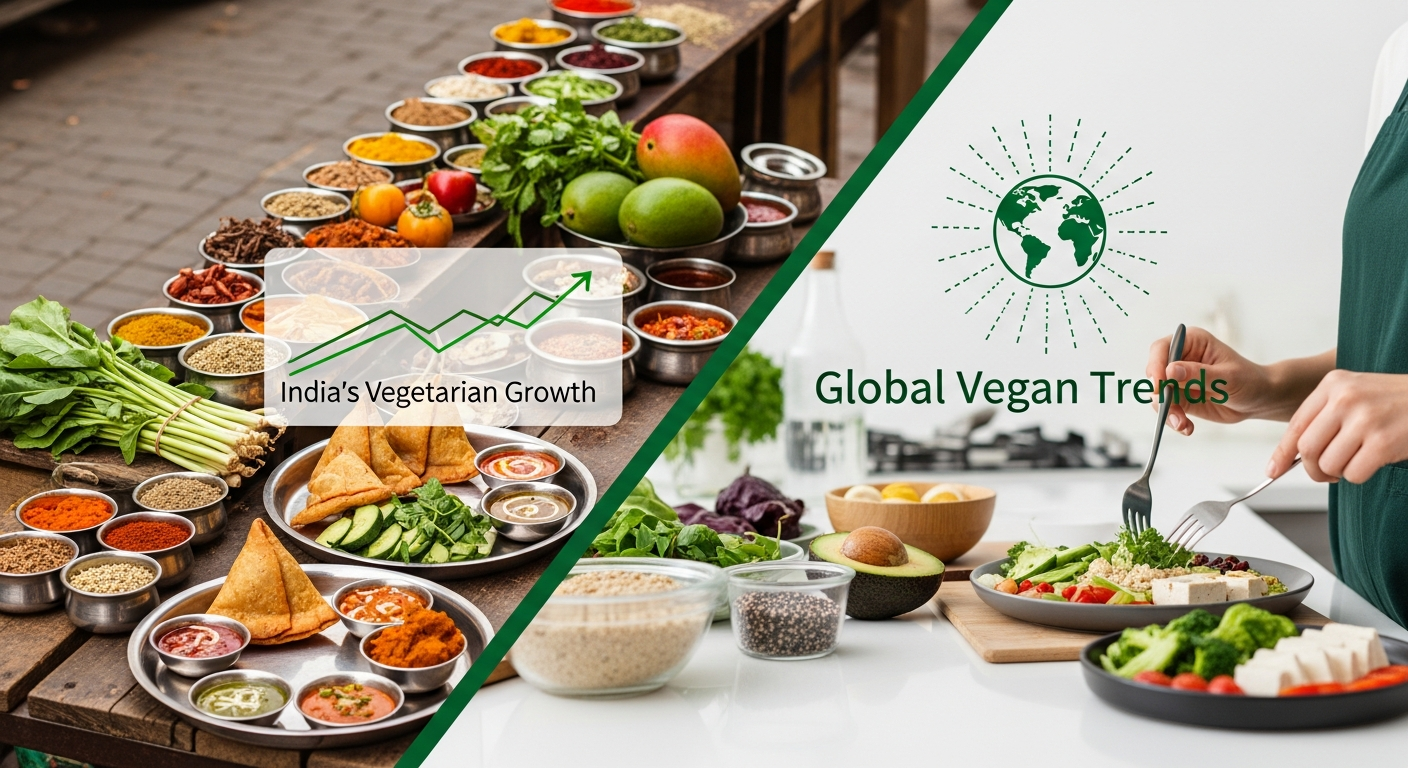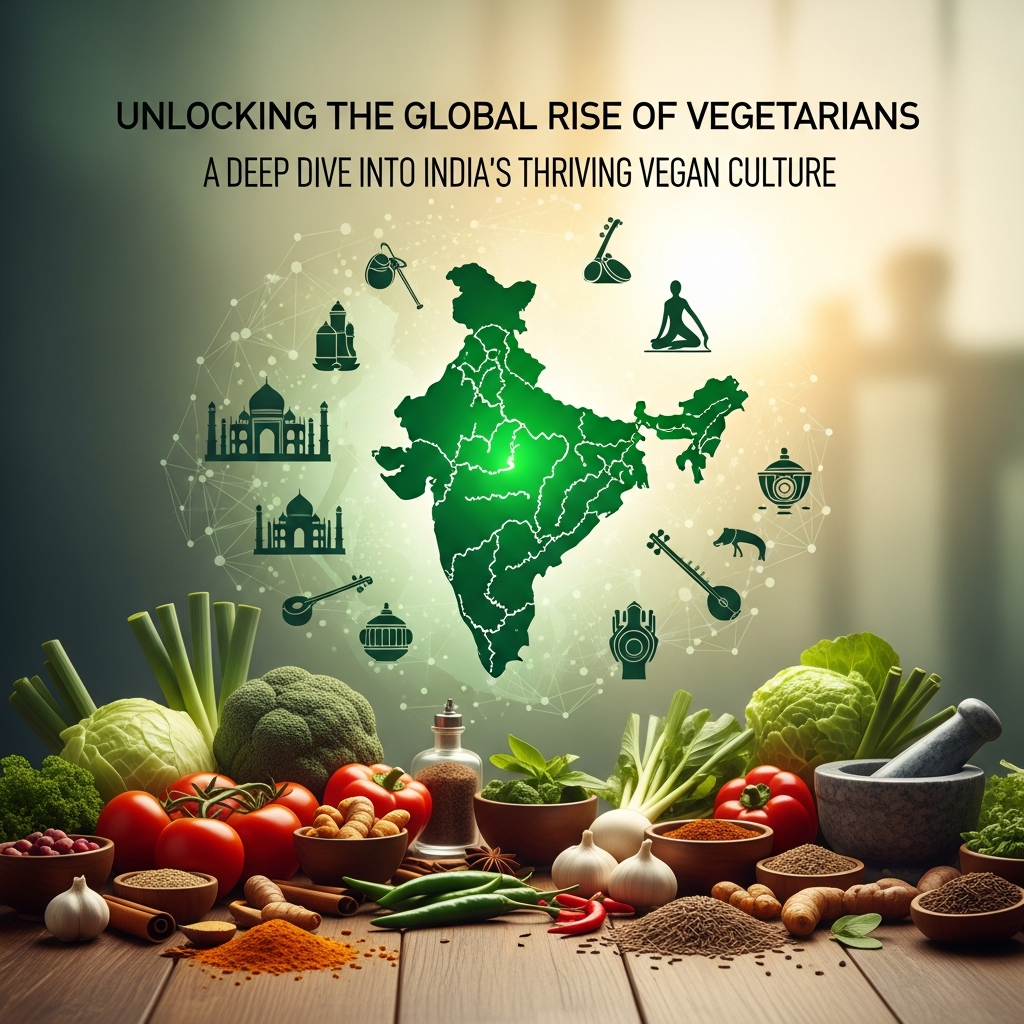

The global culinary landscape is undergoing a profound transformation. What we choose to put on our plates is no longer just a matter of taste or tradition; it's increasingly a statement of personal health, ethical conviction, and environmental consciousness. At the heart of this shift is the burgeoning movement towards vegetarianism. From its ancient roots in the Indian subcontinent to its modern, tech-fueled surge in Western cities, the plant-based diet is moving from the fringe to the mainstream. This exploration delves into the deep-seated traditions and contemporary drivers behind the rise of the green plate, examining why millions are choosing to forgo meat.
India: The Historical Cradle of Vegetarianism
Long before plant-based diets became a global trend, vegetarianism was an integral part of the cultural and spiritual fabric of India. The principle of ahimsa, or non-violence towards all living beings, is a cornerstone of several major religions that originated in the region, including Hinduism, Jainism, and Buddhism. Ancient scriptures like the Vedas and Upanishads discuss the ethics of food consumption, with many advocating for a diet that minimizes harm. For Jains, this philosophy is taken to its strictest form, often precluding root vegetables to avoid harming the plant and the microorganisms in the soil.
This religious and philosophical foundation has made India home to the largest population of vegetarians in the world. However, it's crucial to understand that Indian vegetarianism is not a monolith. The practice varies significantly by region, caste, and community. States like Gujarat, Rajasthan, and Punjab have a very high percentage of vegetarians, and their cuisines are celebrated for their rich, flavorful, and diverse plant-based dishes. In contrast, coastal states like Kerala and West Bengal have culinary traditions that heavily feature fish and meat. This diversity highlights that vegetarianism in India is a complex tapestry woven from threads of spirituality, tradition, and regional identity.
The Modern Global Surge: A Trifecta of Concerns
While India's vegetarianism is steeped in history, the recent global explosion in plant-based eating is driven by a confluence of distinctly modern factors. The primary catalysts can be grouped into three main categories: health, environmental impact, and animal welfare. This powerful combination of personal and planetary well-being has convinced a new generation to reconsider its relationship with meat.
The health argument has gained significant traction, backed by a growing body of scientific research. Diets high in red and processed meats have been linked to an increased risk of heart disease, type 2 diabetes, and certain types of cancer. Conversely, well-planned vegetarian diets are often associated with lower cholesterol levels, lower blood pressure, and a healthier body weight. The emphasis on fruits, vegetables, whole grains, and legumes provides a wealth of fiber, vitamins, and antioxidants, making it an attractive option for those seeking to optimize their long-term health.
Simultaneously, the environmental argument has become impossible to ignore. Animal agriculture is a major contributor to global greenhouse gas emissions, particularly methane from livestock. It is also a leading cause of deforestation, as vast tracts of land are cleared for grazing and to grow animal feed. Furthermore, the industry consumes enormous amounts of water and contributes to water pollution. For many, choosing a vegetarian diet is a tangible, daily action they can take to reduce their personal carbon footprint and combat climate change.
The Spectrum of Plant-Based Diets
As vegetarianism has grown in popularity, so has the understanding of its various forms. The term is often used as an umbrella for several dietary patterns, each with its own set of guidelines. This flexibility allows individuals to adopt a plant-based lifestyle that aligns with their personal preferences, ethical beliefs, and nutritional needs. Understanding these distinctions is key to appreciating the breadth of the movement.
The most common type is lacto-ovo vegetarianism, where individuals abstain from all meat, poultry, and fish but continue to consume dairy products and eggs. A lacto-vegetarian diet excludes eggs but includes dairy, while an ovo-vegetarian diet is the opposite, including eggs but excluding dairy. These variations often reflect different cultural traditions or ethical stances regarding the egg and dairy industries.
Beyond these, veganism represents a stricter and more all-encompassing philosophy. Vegans exclude all animal products, including meat, poultry, fish, dairy, eggs, and even honey. For many, veganism extends beyond diet to a lifestyle that avoids all forms of animal exploitation, meaning they also shun products like leather, wool, and cosmetics tested on animals. This spectrum, from flexitarianism (a primarily vegetarian diet with occasional meat) to full veganism, allows for a more inclusive and accessible movement.
Economic and Culinary Innovations
The rise of vegetarianism is not just a social trend; it's a powerful economic force that is reshaping the global food industry. The demand for plant-based alternatives has skyrocketed, leading to an explosion of innovation and investment. Supermarket aisles are now filled with a dazzling array of products, from oat and almond milk to sophisticated meat analogues that mimic the taste and texture of beef, chicken, and pork. Companies like Beyond Meat and Impossible Foods have become household names, partnering with fast-food giants and challenging the dominance of the traditional meat industry.
This shift is also revolutionizing the culinary world. Chefs at all levels, from local cafes to Michelin-starred restaurants, are embracing the creative challenge of plant-forward cooking. Vegetarian and vegan cuisine is no longer an afterthought relegated to bland salads or steamed vegetables. Instead, it is celebrated for its potential for innovation, flavor, and artistry. Global cuisines that are naturally rich in vegetarian options—such as Indian, Thai, Mediterranean, and Middle Eastern—are gaining even greater appreciation, introducing diners to a world of flavor that doesn't rely on meat as the centerpiece.
Conclusion
The journey of the green plate from ancient Indian philosophy to the modern global marketplace is a compelling story of evolving values. What began as a principle of non-violence has been embraced by millions for reasons of personal health, environmental sustainability, and ethical compassion. The movement is no longer a niche but a significant cultural and economic force, driving innovation in our kitchens and boardrooms. As awareness continues to grow, the rise of vegetarianism signals a fundamental shift in our collective consciousness—a recognition that the food we eat has a profound impact not only on our own bodies but on the health of our planet and the welfare of all its inhabitants.