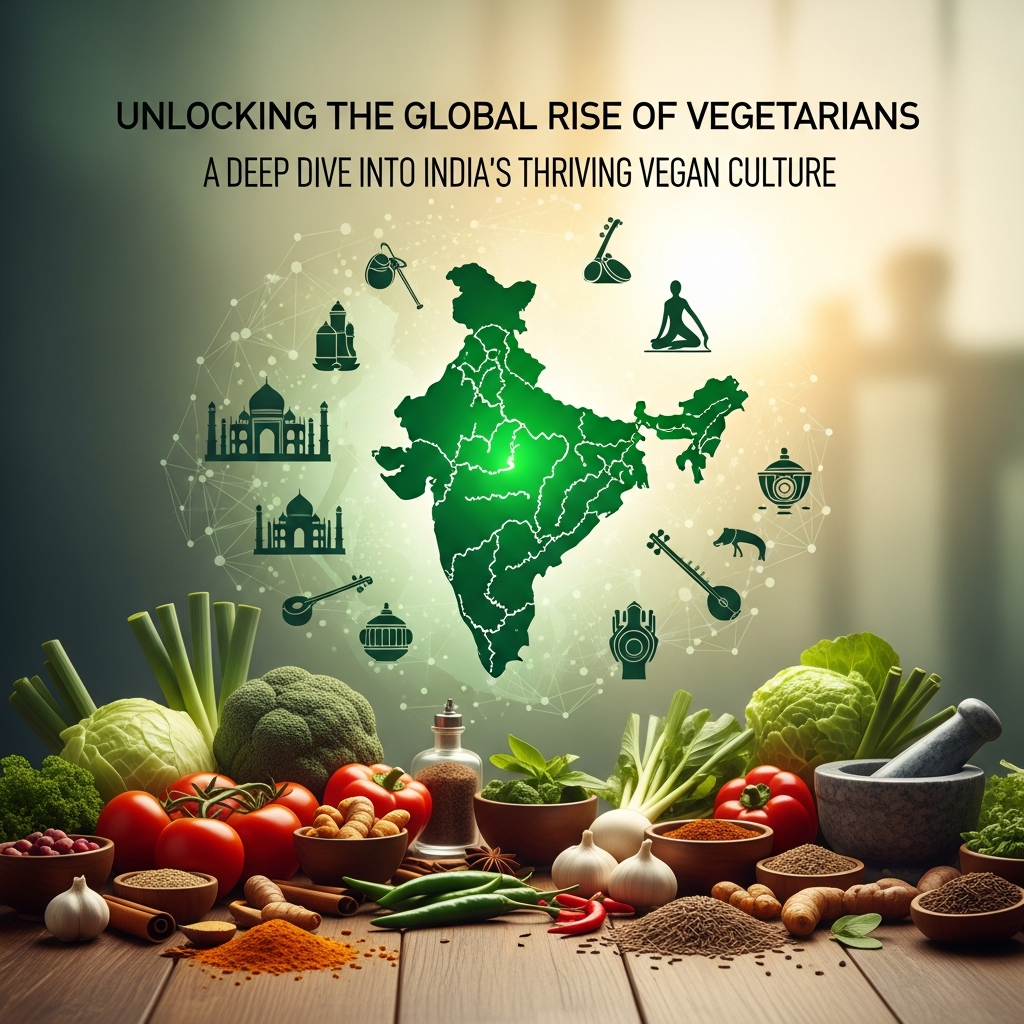
The global dietary landscape is undergoing a profound transformation. What was once a niche lifestyle choice is now a mainstream movement, with plant-based eating gaining unprecedented momentum. From bustling city cafes to supermarket aisles, vegetarian and vegan options are more visible and varied than ever before. This shift is driven by a complex interplay of ethical, environmental, and health-related concerns. At the heart of this global story, however, lies a rich history deeply rooted in one of the world's most ancient cultures: India, a country where vegetarianism has been a cornerstone of society for millennia.
The Ancient Roots: Vegetarianism in Indian Culture
Long before the Western world debated the ethics of meat consumption, vegetarianism was an integral part of the Indian subcontinent's spiritual and cultural fabric. Its origins are deeply entwined with ancient religious and philosophical traditions. The principle of Ahimsa, or non-violence towards all living beings, is a central tenet in Hinduism, Buddhism, and particularly Jainism. For followers of these faiths, a vegetarian diet is not merely a dietary preference but a profound expression of compassion and a commitment to living in harmony with the natural world. This spiritual foundation established a culture where meat-free eating was not an exception but a respected and widely practiced norm.
This philosophical underpinning gave rise to one of the most sophisticated and diverse vegetarian cuisines on the planet. Indian cooks mastered the art of plant-based cooking over thousands of years, developing techniques to coax complex, robust flavors from vegetables, legumes, grains, and spices. Dishes like lentil-based dal, hearty chickpea curries (chana masala), and creamy cheese curds (paneer) demonstrate that a meal can be deeply satisfying and nutritious without meat. The masterful use of spices—turmeric, cumin, coriander, cardamom—creates a symphony of flavors that has proven universally appealing, laying the groundwork for its eventual global influence.
India's Culinary Influence on the Global Stage
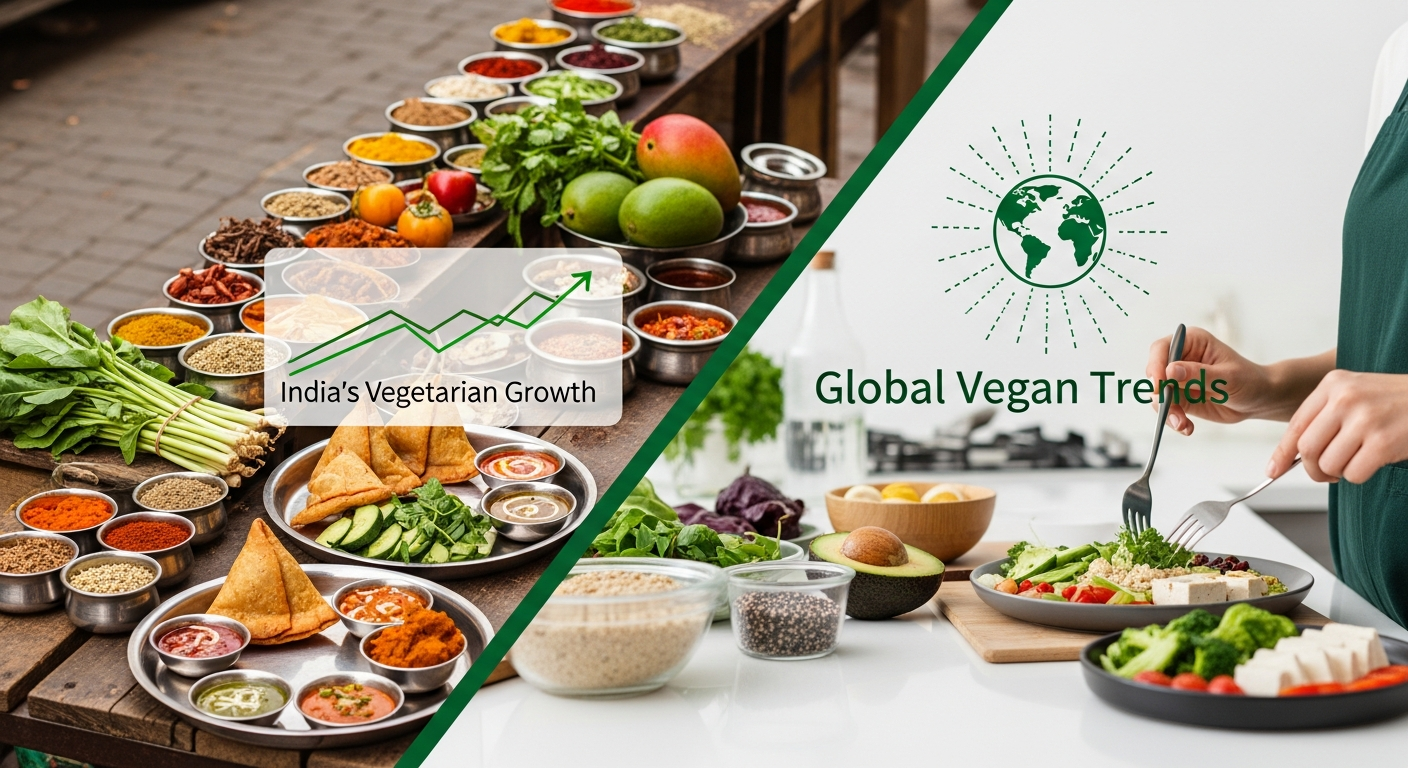
The global spread of Indian vegetarianism can be largely attributed to the Indian diaspora. As millions of people from India migrated to countries across the globe, they brought their culinary traditions with them. They opened restaurants and home kitchens, introducing their new neighbors to the rich and flavorful world of plant-based Indian food. For many in the West, whose experience with vegetarianism was often limited to bland salads or steamed vegetables, Indian cuisine was a revelation. It served as a powerful counter-narrative, proving that a vegetarian diet could be exciting, diverse, and delicious.
In parallel, the growing Western interest in Eastern philosophy, yoga, and meditation during the 20th and 21st centuries further amplified India's influence. These wellness practices, with their emphasis on mindfulness, purity, and non-harm, often came with associated dietary recommendations that favored a vegetarian lifestyle. As people embraced yoga for its physical and mental benefits, many also adopted a Sattvic diet—a vegetarian diet based on Ayurvedic principles that is believed to promote calmness and clarity. This holistic connection between physical activity, mental well-being, and diet helped cement vegetarianism as a key component of a modern, health-conscious lifestyle.
The Modern Drivers: Health, Environment, and Ethics
While India provided the historical and culinary foundation, the recent explosion in plant-based eating is fueled by a trio of modern-day concerns. First is the growing awareness of the environmental impact of animal agriculture. Scientific reports have consistently highlighted the industry's significant contribution to greenhouse gas emissions, deforestation, water consumption, and land degradation. For an increasingly climate-conscious population, reducing meat consumption has become one of the most tangible and impactful personal actions one can take to lessen their environmental footprint.
Secondly, health and wellness have become major drivers. A large body of research has linked plant-based diets to a lower risk of chronic diseases, including heart disease, type 2 diabetes, and certain types of cancer. Influential documentaries and a proliferation of health-focused content on social media have brought these benefits into the mainstream consciousness, encouraging many to adopt a "plant-forward" approach to eating for longevity and vitality. Finally, ethical considerations regarding animal welfare are a powerful motivator, particularly for the rise of veganism. Increased transparency into the conditions of factory farming has led many to question the morality of consuming animal products, seeking a diet that aligns with their values of compassion and kindness.
The Evolution to Veganism: A Growing Global Trend
Vegetarianism often serves as a gateway to veganism, a lifestyle that excludes all animal products, including dairy, eggs, and honey. While vegetarianism addresses the direct act of killing an animal for meat, veganism extends the principle of non-exploitation to all forms of animal use. For those motivated primarily by environmental and ethical concerns, the dairy and egg industries present similar issues to the meat industry, from significant carbon footprints to animal welfare problems. This has led many to see veganism as the most consistent and comprehensive expression of their values.
This growing demand has ignited a multi-billion dollar industry focused on plant-based innovation. The market is now flooded with sophisticated alternatives that mimic the taste and texture of their animal-based counterparts. Oat milk has challenged dairy's dominance in coffee shops, while companies like Beyond Meat and Impossible Foods have created plant-based burgers that sizzle and "bleed," appealing even to dedicated meat-eaters. This explosion in high-quality, convenient, and accessible vegan products has been a game-changer, making it easier than ever for people to transition to a fully plant-based diet without feeling like they are making a sacrifice.
Conclusion
The rise of vegetarianism and veganism is a multifaceted global phenomenon built on an ancient foundation. India's long-standing cultural and spiritual embrace of a meat-free diet not only normalized the practice for hundreds of millions but also created a rich culinary tradition that would eventually serve as a delicious ambassador for plant-based eating worldwide. Today, this historical influence has merged with urgent modern concerns about our planet's health, our personal well-being, and our ethical responsibilities. As food technology continues to innovate and awareness continues to grow, the shift towards plant-based diets is more than just a passing trend; it represents a fundamental rethinking of our relationship with food, our planet, and all its inhabitants.