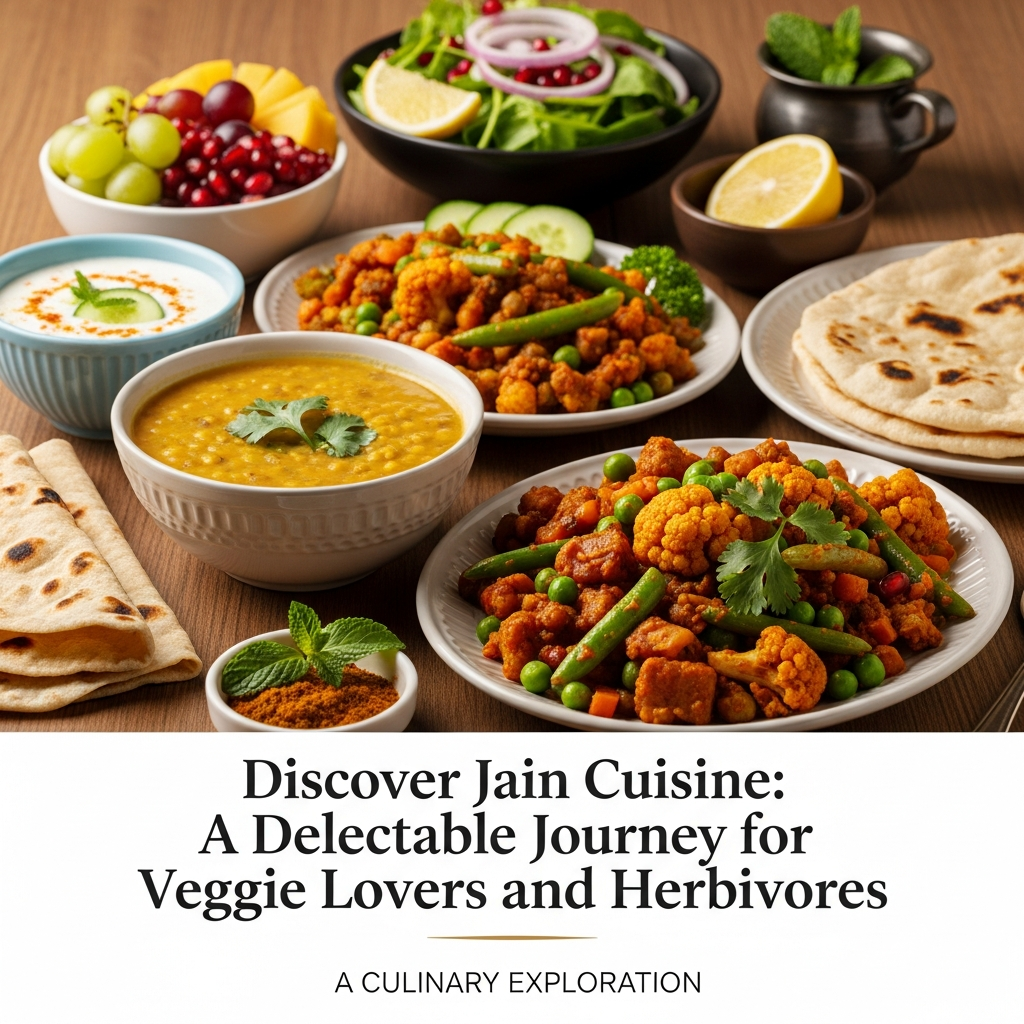
Discover Jain Cuisine: A Delectable Journey for Veggie Lovers and Herbivores
If you’re on a quest to explore vegetarian cuisine that’s not only delicious but deeply rooted in compassion and ethical eating, Jain cuisine offers a unique and profound culinary adventure. This age-old tradition, celebrated for its refinement and mindfulness, is a treasure trove for vegetarians, vegans, and anyone seeking healthy, sustainable food choices. Let’s embark on a flavorful journey into the world of Jain cuisine—where every meal is a celebration of nonviolence (ahimsa) and spiritual purity.
The Heart of Jain Cuisine: Principles and Philosophy
At the core of Jain cuisine lies the principle of ahimsa, or nonviolence. This isn’t just about avoiding meat; it’s about minimizing harm to all living beings, including the smallest microorganisms. The diet is meticulously curated to ensure that every ingredient and preparation method reflects a commitment to ethical living and spiritual purity.
What’s Off the Plate?
Jain dietary restrictions are more rigorous than typical vegetarian or even vegan diets. Here’s what is typically avoided:
| Restricted Item | Reason for Exclusion |
|---|---|
| Meat, Fish, Eggs | Involves direct harm to animals |
| Root Vegetables (potatoes, onions, garlic, carrots, radish, beets, ginger) | Harvesting kills entire plants and disturbs soil organisms |
| Fungi & Yeast (mushrooms, etc.) | Considered multi-sensed organisms |
| Honey | Harvesting involves violence towards bees |
| Fermented Foods & Alcohol | Fermentation kills microorganisms |
These careful exclusions make Jain cuisine one of the most compassionate and environmentally conscious food traditions in the world.
The Jain Meal: Structure and Signature Dishes
Jain meals are thoughtfully structured for balance and variety while adhering to strict dietary guidelines.
Breakfast: Light and Wholesome Beginnings
Jain breakfasts are typically light and easily digestible. Popular options include:
Each dish is designed to provide energy without heaviness—perfect for starting the day with clarity and vitality.
Lunch: The Classic Jain Thali
The heart of Jain cuisine is the lunch thali—a platter featuring a symphony of flavors and nutrients. A typical thali might include:
| Dish Type | Examples |
|---|---|
| Lentils | Moong Dal Tadka, Dal Makhani, Gujarati Mag ni Dal |
| Vegetable Curries | Bhindi ki Sabzi (okra), Gatte ki Sabzi (gram flour dumplings), Lauki Tamatar Sabzi (bottle gourd) |
| Rice | Jeera Rice, Matar Mangodi Pulao, Vegetable Biryani |
| Breads | Rotis, Phulkas, Theplas |
| Sides | Pickles, Chutneys, Buttermilk (Chaas) |
Every thali is a complete meal—balanced in proteins, carbs, vitamins, and minerals—with an emphasis on freshness and purity.
Evening Meals & Snacks: Lighter Yet Flavorful
Evening meals often feature lighter curries such as Tinda Sabzi, Paneer Capsicum Masala, or comforting dishes like Khichdi (rice and lentil porridge) and Dal Dhokli. Snacks are an essential part of Jain food culture:
Street food adaptations maintain authentic Indian flavors while strictly observing Jain principles.
Sweet Endings & Festive Fare
Jain cuisine shines during festivals like Paryushan. Special dishes include:
These treats are prepared with heightened mindfulness to purity, often omitting even certain vegetables or spices to align with religious guidelines.
Regional Flavors: Gujarati & Rajasthani Influences
Jain cuisine varies across regions. Gujarati Jains favor dishes like Handvo (savory lentil cake) and Kadhi (spiced yogurt soup), while Rajasthani Jains enjoy specialties such as Ker Sangri (desert beans and berries) and Dal Baati Churma. During festivals or holy days, even green vegetables might be excluded to adhere to stricter purity standards.
Modern Innovations: Healthy Jain Cuisine for Today
Modern Jain cooks are embracing superfoods and global influences. Innovative dishes such as Quinoa Chickpea Salad, Oats Methi Muthia, and Sprouts Dhokla show how tradition can meet contemporary health trends without sacrificing core values.
Cookbooks like “Jain Delights” offer accessible recipes that blend classic methods with creative twists—making Jain cuisine approachable for home cooks everywhere.
Refreshing Beverages
Jain beverages are all about natural refreshment:
These drinks complement meals while upholding the cuisine’s commitment to purity.
Why Jain Cuisine Appeals to Veggie Lovers
Jain cuisine isn’t just about what you can’t eat—it’s about discovering a vibrant world of flavors where every ingredient is chosen with intention. For vegetarians and herbivores seeking new inspiration, Jain recipes offer:
Exploring Jain Cuisine at Home
Ready to try it yourself? Step-by-step guides and cookbooks like “Jain Delights” make it easy for beginners and seasoned cooks alike. Whether you’re preparing a simple breakfast or an elaborate festival feast, Jain cooking invites you to nourish not only your body but also your mind and soul.
Conclusion: More Than Just Food
Jain cuisine is more than a diet—it’s a philosophy of life. It teaches mindful eating, respect for all living beings, and celebrates simplicity as the ultimate sophistication. For veggie lovers everywhere, it’s a reminder that compassion can be utterly delicious.
Ready to take your taste buds—and your ethics—on a new adventure? Dive into the world of Jain cuisine and discover how delectable mindful eating can truly be.